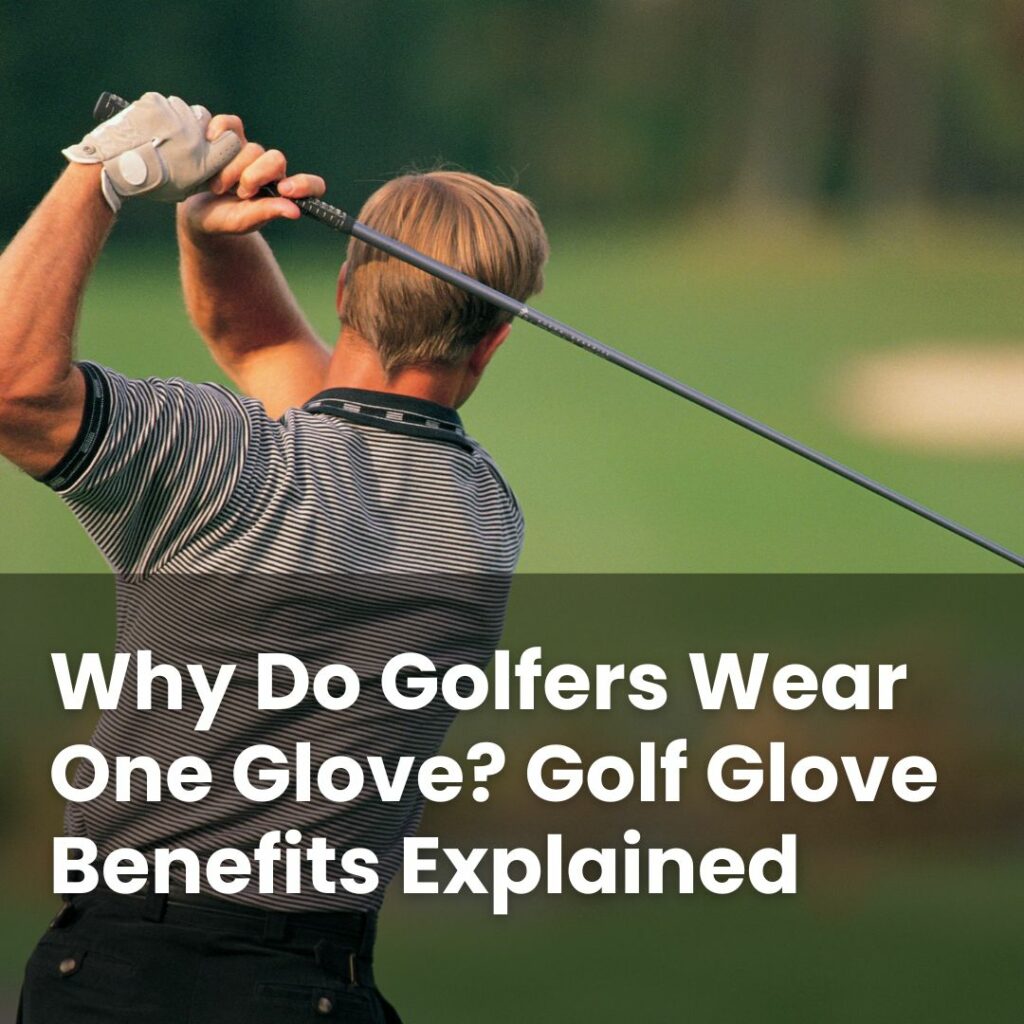
Many golfers are seen wearing just one glove during a round, leading some to wonder about its purpose and benefits. Golf gloves are a common feature on the course, yet the reasons behind wearing only one, and the advantages they offer, are not always obvious to beginners.
This guide explores the practical reasons why golfers choose to wear a glove, including which hand it should go on and how it helps with grip and handling the club. It also looks at issues like preventing blisters, the different materials used, glove fit and sizing, and proper care.
You will find tips on how often to replace a glove, learn if there are times when two gloves might be preferable, and see common myths explained. Whether you are new to golf or looking to learn more about equipment, this guide offers clear and straightforward information.
Read on to learn more.
Which Hand Should You Wear The Glove On?
Golfers typically wear a glove on their lead hand. For a right-handed player, this is the left hand. For a left-handed player, the glove is worn on the right hand.
The lead hand is the one placed highest on the club grip. This hand plays a major role in holding the club securely. Wearing a glove on this hand helps provide a steadier connection between the hand and the club.
Most golfers do not wear a glove on the other hand, as it may make it harder to feel the club during the swing. However, in very wet or cold conditions, some golfers may wear gloves on both hands for extra dryness or warmth.
The main reason for using just one glove is to improve grip and reduce unwanted movement, especially during longer rounds. Choosing to wear a glove on the lead hand is considered standard practice. With that in place, it helps to understand how a glove actually changes your hold on the club.
How Does A Glove Improve Grip And Control?
A golf glove is designed to create a more secure hold on the club. The materials used, such as leather or synthetic fabrics, are less likely to slip compared to bare skin, especially in warm or damp weather.
Sweat or moisture on the hands may cause the club to move during a swing. A glove helps limit this by absorbing some moisture and offering a consistent texture for the player to hold. Many gloves also feature textured palms or micro-perforations that maintain traction without feeling bulky.
A well-fitted glove can reduce the need for extra tension in the hands. With a reliable surface to hold, the player is less likely to squeeze the club too tightly, which can help keep the club stable and allow a smoother motion. This consistency is valuable from the first tee to the final putt, particularly when conditions change through the round.
With grip under control, the next question is comfort: can a glove help protect the hands during play?
See Our Top-Rated Online Casinos
Find the best online casino bonuses, read reviews from real players & discover brand new casinos with our list of recommended sites
Do Golf Gloves Prevent Blisters And Hand Fatigue?
Wearing a golf glove may help reduce the chance of blisters forming on the hands during play. The glove creates a barrier between the skin and the golf club, which can limit direct rubbing and friction, especially at common hot spots like the heel of the palm and the base of the fingers.
Blisters are more common if a player holds the club tightly or plays for long periods. A glove’s padding and fit can cushion the hand, helping to spread out pressure and reduce irritation. Over several holes, this can also lessen hand fatigue by promoting a steadier, less strained grip.
Some players find that rotating between two gloves during a round keeps the hands dry and reduces friction further. Ultimately, the right size and a smooth, close fit provide the most benefit in preventing skin soreness and tiredness.
As comfort improves, material choice begins to matter more, particularly when playing in varied weather.
What Materials Are Golf Gloves Made From And Why?
Golf gloves are usually made from three main types of materials: leather, synthetic fabrics, or a combination of both.
Leather gloves, most often crafted from cabretta leather, are smooth and may offer a soft feel. They are often chosen for familiarity and comfort, and for the close fit they provide. Many golfers like leather for its feedback on delicate shots, as it moulds slightly to the hand over time.
Synthetic gloves are made from man-made fibres, like polyester or nylon. These gloves can be more flexible and resistant to wear, especially in high-movement areas. They tend to handle frequent use well and often include stretch panels for ease of movement.
Some gloves combine leather and synthetic sections. This mix is designed to balance comfort, durability, and flexibility, giving some of the softness of leather with longer-lasting synthetic panels. In wet weather, specialist rain gloves use microfibre materials that actually grip better when damp.
The choice of material is typically based on the player’s needs, such as the weather conditions, comfort, and how often the person plays. With a material in mind, getting the fit right is the next important step.
How Should A Golf Glove Fit?
Selecting a properly fitting golf glove can make a difference to comfort and grip. A glove that is too loose or too tight might cause problems over a round of golf.
A good fit allows for natural movement of the fingers and hand while keeping any bunching or loose material to a minimum. The glove should sit close to the skin, feel smooth across the palm, and close firmly without pulling.
Sizing Tips For Golf Gloves
Golf gloves come in various sizes and styles, so checking the sizing chart for each brand may be helpful. The glove should fit snugly across the palm and fingers, but it should not feel restrictive.
There may be a small gap at the end of the fingertips, but too much space suggests the glove is too large. The closure on the glove should fasten securely without the material stretching or straining. If the back of the hand or the palm bunches, try a different size or a slimmer cut.
Trying on a few different sizes or styles, if possible, can help a player find the most suitable option.
How To Check Glove Fit On The Course
To check the fit during a round, a player can look for baggy areas or folds in the palm or fingers. If the glove slips or turns during a swing, it may be too loose.
After fastening the glove, make a fist and open the hand to see if the material stays smooth but allows movement. A properly fitted glove should stay in place and help the player maintain a steady grip throughout play.
With a good fit sorted, a little care goes a long way in keeping that feel round after round.
Glove Care And Maintenance
Proper care helps a golf glove stay in good condition and can make it last longer. After play, it is a good idea to let the glove air out, rather than leaving it balled up in a golf bag or pocket.
To clean a golf glove, a gentle hand wash in cool water with mild soap may remove surface dirt. Rinsing thoroughly and laying the glove flat to dry helps maintain the correct shape. It is best to avoid wringing or twisting the glove, as this might stretch or damage the material. For light marks, spot cleaning with a damp cloth often does the job without a full wash.
Direct sunlight, heaters, or tumble dryers should be avoided when drying, as these may cause the glove to become stiff or shrink. Between rounds, storing the glove flat in its original packet or a breathable pouch keeps it from curling, reduces odour, and helps it feel comfortable for the next use.
Good care delays wear, but every glove has a shelf life. So, how do you know when it is time for a change?
How Often Should You Replace Your Golf Glove?
The lifespan of a golf glove depends on how often it is used, the playing conditions, and how well it is cared for. Signs that a glove may need replacing include holes, tears, a loose fit, or a hard, shiny texture.
Golfers who play regularly might find that their glove wears out faster, especially in hot or damp conditions. If the palm feels slick, the seams loosen, or the glove no longer sits snugly, it is likely time to switch to a new one.
Carrying a spare glove is a practical approach for those who play frequently, as it allows for rotation and helps each glove last a bit longer. Keeping the glove in good shape through proper drying and storage can also extend its use. In the end, replacement is guided by feel and visible wear rather than a fixed schedule.
With replacement in mind, there are a few times when two gloves make sense, too.
Are There Situations Where Using Two Gloves Is Better?
Some golfers choose to wear gloves on both hands in certain conditions. This approach is more common in very wet or cold weather, where extra grip, dryness, or warmth may be needed.
Rain gloves are designed to give better grip when the club or hands are damp. In these cases, wearing two gloves helps prevent slipping and makes it easier to maintain a stable hold. During colder months, thermal golf gloves are sometimes used on both hands to help keep the fingers warm and comfortable.
Wearing two gloves is typically a personal preference. In most situations, golfers wear only one glove on the lead hand, but some find that two gloves offer added comfort or protection for specific weather and course conditions. With that cleared up, it is worth looking at a few common myths.
Golf Glove Myths Debunked
There are several common misconceptions about golf gloves that often lead to confusion for new players.
One myth is that a glove is only for wet weather. In reality, many golfers wear a glove in all conditions to help with grip and comfort.
Another belief is that wearing a glove will improve a person’s swing automatically. While a glove can support a consistent hold, progress comes from practice and sound technique.
Some think that wearing gloves on both hands is standard. However, most golfers prefer just one glove, as it allows the non-gloved hand to better sense the club’s position during swings.
It is also sometimes said that more expensive gloves always perform better. In fact, the best glove is usually the one that fits well and suits the player’s needs, regardless of price.
If you choose to bet on golf, set sensible limits and seek support from organisations such as GamCare or GambleAware if needed. Put simply, a well-chosen, well-fitted glove helps maintain control, comfort, and consistency from tee to green.