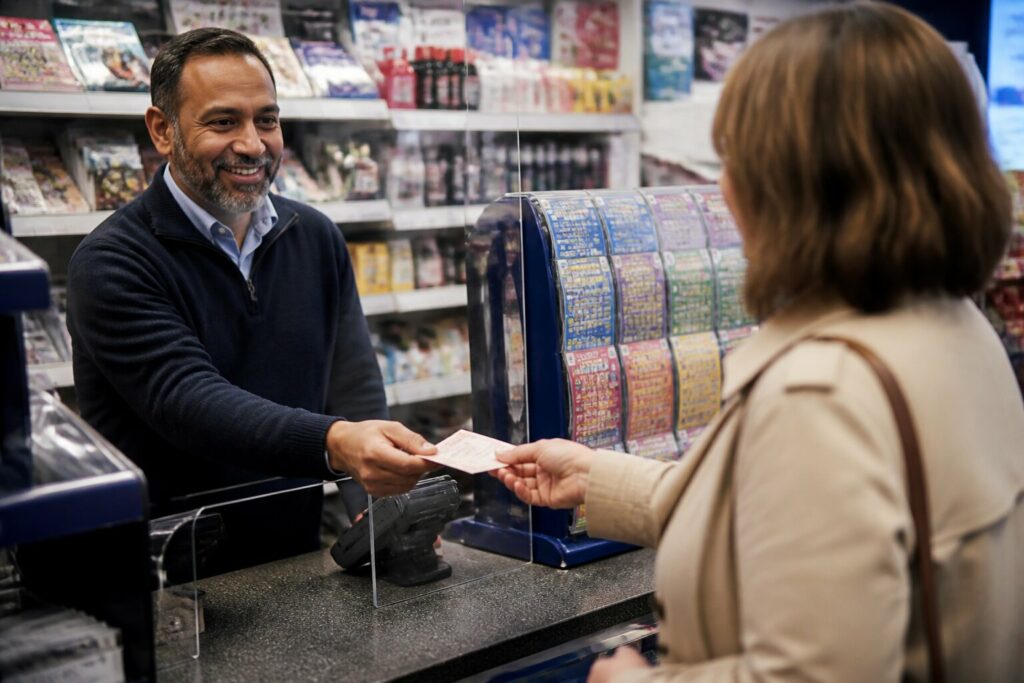
Have you ever wondered what happens when someone buys a winning National Lottery ticket at a local shop? This guide explains how ticket sales affect retailers in the UK and what rewards, if any, they receive when a winning ticket is sold.
You will learn how commissions work, the legal duties stores must meet, and how a win can influence a shop’s reputation. Read on to see the facts behind the headlines and some common myths that circulate about retailers and big wins.
What Happens When a Shop Sells a Winning Lottery Ticket?
When a shop sells a winning National Lottery ticket, the outcome concerns the ticket holder rather than the retailer. The sale is recorded electronically at the point of purchase, so whether a ticket is a winner is determined by the lottery system, not by the outlet that sold it.
In practice, most everyday activity in the shop continues as normal. Smaller prizes can sometimes be claimed at the outlet if the operator’s rules allow it, while larger prizes are claimed through the official channels outside the shop. Retailers might enjoy a moment of local attention if their premises are linked to a large win, but there is no special payment made to the store for selling a winning ticket. This process is regulated to ensure clarity and fairness across all sales.
Commission and Incentives for Retailers
Retailers are compensated for selling lottery products through a standard commission setup. This is a fixed arrangement that applies to every ticket or scratchcard sold and is paid regardless of whether any individual ticket turns out to be a winner.
There are no extra or bonus commissions tied to jackpot wins. The commission is intended to remunerate the retailer for providing a service and for handling sales; it does not change if a high-value prize is sold through the shop. Although increased footfall and short-term publicity can follow a notable win, these are indirect and unpredictable benefits rather than contractual incentives.
This background on payments and incentives leads naturally into the other responsibilities retailers must meet when selling lottery products.
See Our Top-Rated Online Casinos
Find the best online casino bonuses, read reviews from real players & discover brand new casinos with our list of recommended sites
Are There Any Legal Obligations for Retailers?
Retailers must meet a number of legal and regulatory duties when selling lottery tickets. Age verification is mandatory: tickets must not be sold to anyone under 18, and staff should ask for identification if the customer’s age is uncertain. Outlets are also expected to display required signage, keep appropriate records, and maintain ticket vending equipment as stipulated by the operator.
Data protection and anti-money laundering checks are part of the obligations too, so retailers should handle customer information properly and be alert to suspicious transactions. Staff training is important so employees can provide accurate information and direct customers to support services when necessary. These safeguards protect both players and the retailer’s ability to continue offering lottery products.
How Does Selling a Winning Ticket Affect a Shop’s Reputation?
A shop associated with a big win often receives local attention and a short-term increase in visitors. People may drop in out of curiosity or because they prefer a familiar outlet for future purchases. This kind of publicity can boost the store’s profile, create goodwill among local customers and give staff a temporary lift from the novelty of the event.
Such reputational gains are typically temporary. Any long-term benefit depends on how the retailer uses the attention, for example by ensuring a positive customer experience that encourages repeat visits. How staff handle media enquiries, prize validation questions and requests for interviews can shape public perception just as much as the win itself.
Retailers should also be mindful of possible downsides. Unwanted publicity or disruptive behaviour from curious crowds can strain staff and make regular customers feel uncomfortable. Managing expectations and communicating clearly with visitors helps preserve the store’s standing in the community.
The main takeaway is that reputation effects are social and commercial opportunities rather than direct financial rewards. By focusing on responsible retailing, good customer service and sensible communication, a shop can turn a brief spotlight into a foundation for stronger local relationships without implying that selling tickets guarantees ongoing profit.
Common Myths About Retailer Rewards
Several myths persist about retailers receiving large bonuses or exclusive perks after selling a jackpot ticket. In reality, no special cash bonuses are paid for selling winning tickets. Publicity that follows a big win tends to be modest and brief, and there are no extra marketing privileges granted to the outlet by the lottery operator.
Another misconception is that selling more tickets immediately after a big win yields special incentives. While more sales do mean more commission overall, the rate and structure of that commission remain the same. Retailers operate within a regulated framework that prevents ad hoc rewards for individual wins.
Where Does the Lottery Money Actually Go?
Money from ticket sales is distributed according to defined rules. A large proportion returns to players as prize money. A significant share funds good causes across communities, supporting projects in areas such as sport, arts, heritage and community services. Operational costs for running the lottery, including systems and retail support, are covered as well, and retailers receive their set commission from this allocation. Finally, a portion contributes to taxation and public funding.
This allocation balances the need to pay prizes with wider public benefits and the costs of operating a national scheme, and it explains why retail commission is only a small part of the overall picture. With that in mind, the final section draws together the key points to take away.
Summary: Key Points for UK Lottery Retailers
Retailers earn a standard commission on each ticket or scratchcard sold; there is no additional payment for selling a winning or jackpot ticket. Legal duties such as age verification, record keeping, data protection and vigilance against suspicious activity are essential for compliance and for protecting customers.
Selling a winning ticket can bring short-lived publicity and extra visitors, but these are indirect benefits rather than contractual rewards. The distribution of ticket revenue prioritises prizes and funding for public causes, with retailer commission forming a small, fixed portion of the total.
Together, these rules and practices make sure that retailers can offer lottery products responsibly while the system remains transparent and benefits both players and the wider community.